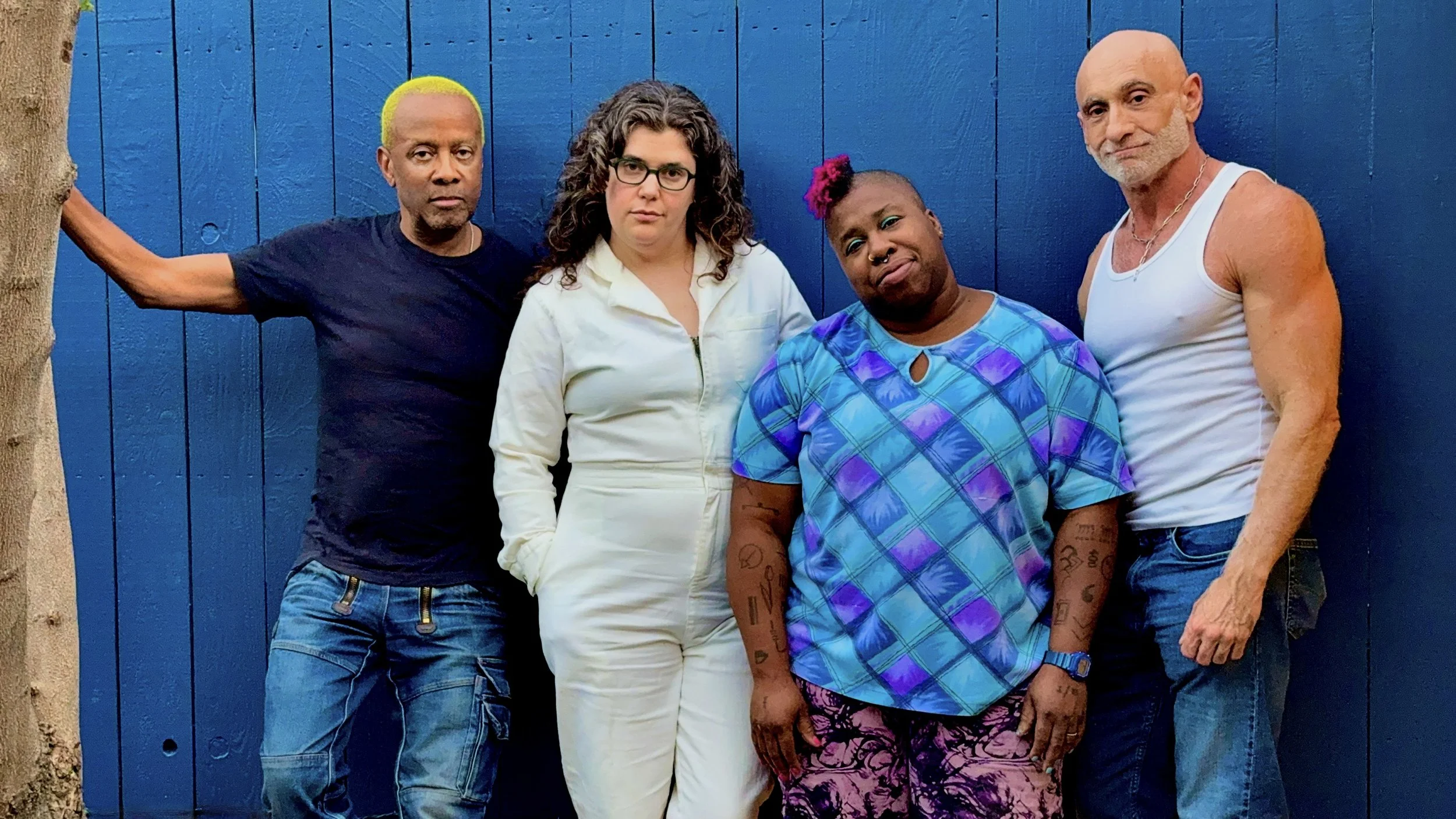
SOUL is an interdisciplinary group of four artists (Dudley Saunders, Paul Outlaw, Sharon Udoh and Sara Lyons), whose individual practices in music, theater and performance meet at the intersection of archival excavation, social justice and formal experimentation. As a collective, we deconstruct and rebuild power in performance through examinations and re-embodiments of legacies of Euro-American history. We leverage our diverse backgrounds—ranging from West Berlin’s independent art scene to the improvisational traditions of the Black Pentecostal church to the deep folk of Appalachia—to create critically embodied works that center the hidden lives of marginalized people.
-
Dudley Saunders is a writer, composer and performance artist who has created five stage works, including Death Blues (Best Musical, New York Press) and Birdbones. A three-time Emmy nominee and winner for the documentary City Rising, his recordings have earned GLAMA, OutMusic, and Mountain Stage awards. Dudley has written for Rolling Stone and The Village Voice, and has received fellowships from Yaddo and the Albee Foundation, alongside grants from the Joyce Mertz-Gilmore Foundation. His prominent artistic collaborations include projects with John Kelly and Sarah Schulman at Performance Space New York, and Heather Woodbury. Learn more at dudleysaunders.com.
-
Paul Outlaw is a Los Angeles and Berlin-based multidisciplinary artist whose work examines the physical and psychological legacies of white supremacist, patriarchal violence in Euro-American history. Leaving the fractured society of Reagan-era America, Paul spent a decade in Cold War Berlin, where he fronted post-punk bands like Die Haut and starred in the Oscar-winning short Schwarzfahrer (1993). He has created solo and collaborative performances since the 1990s, including BBC (Big Black Cockroach), which premiered at REDCAT in 2024. His work has been presented at LACMA, MOCA, and Berlin’s Maxim Gorki Theater, earning grants from the Foundation for Contemporary Art and others. Learn more at outlawplay.com.
-
Sharon Udoh is a Nigerian-American pianist, composer and 2026 United States Artist Fellow. Initially trained in the Pentecostal church, she later held a residency at Columbus's Wexner Center for the Arts. There, she joined Lars Jan’s production of The White Album, which led to her collaborating and performing with the experimental rap group clipping. since 2019.
Moving to Chicago in 2022, Sharon immersed herself in its experimental music scene. Her current projects include Fellowship Meal, which showcases her personal style in marrying traditional hymns and free jazz; the improvised duo Potliquor with Allen Moore; “Love Bless America,” a film and video installation led by Brussels-based French artist Pierre Bismuth; and her eponymous, ongoing solo project exploring her deep relationship to hymn literature in the U.S. Learn more at sharonudoh.com.
-
Sara Lyons is a bicoastal, generative director creating interdisciplinary theatre that explodes form and politic. Working across adaptation, social practice and new media, their work has been presented across the world by REDCAT, The Kitchen and the Edinburgh Fringe, among others, and they have received residencies at CAP UCLA, the Santa Fe Art Institute, Ucross and more. Recent projects include This Emancipation Thing at REDCAT and BBC (Big Black Cockroach) and I’m Very Into You with Paul Outlaw. They hold an MFA from Carnegie Mellon and teach directing at Skidmore College. Learn more at sara-lyons.com.
Our genre-bending workspace is marked by rigor in the individual contributions: Paul and Dudley provide the foundational research into historical violence and marginalized narratives; Sharon contributes a deep, improvisational relationship to American hymnody and blues; and Sara provides the directorial framework to translate these ingredients into avant-garde theater. Together, we lean into the cracks between past and future, music and theater to create new languages for the self and society.
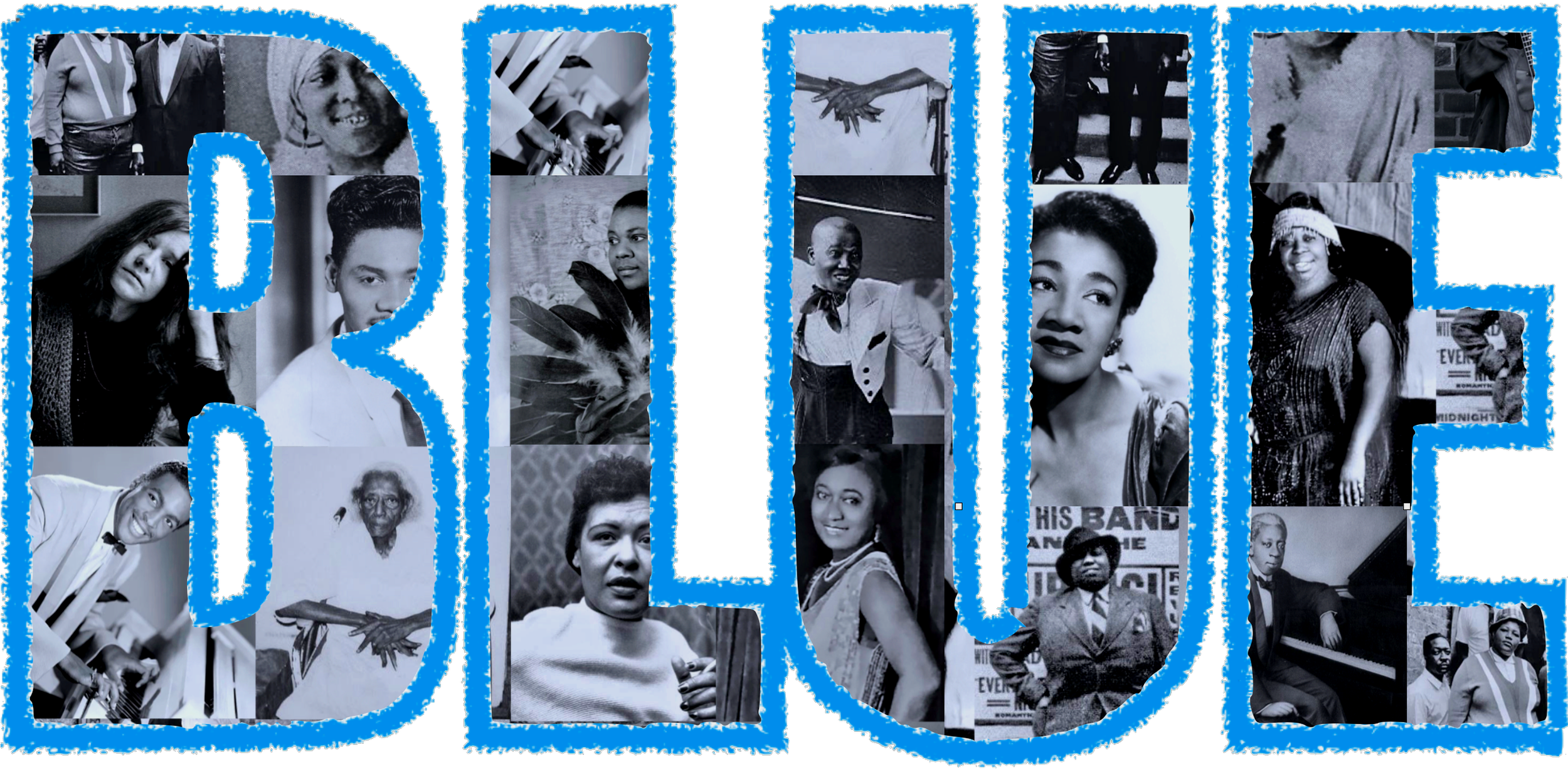

Photo courtesy of the artists
The failure on our part to accept the reality of pain, of anguish, of ambiguity, of death has turned us into a very peculiar and sometimes monstrous people.
James Baldwin, “The Uses of the Blues” (1964)
Sometimes the fragments make more sense than the line. Our first collaboration, Blue, is a performance work that re-embodies queer legacies of blues music through music, storytelling, testimony and improvisation.
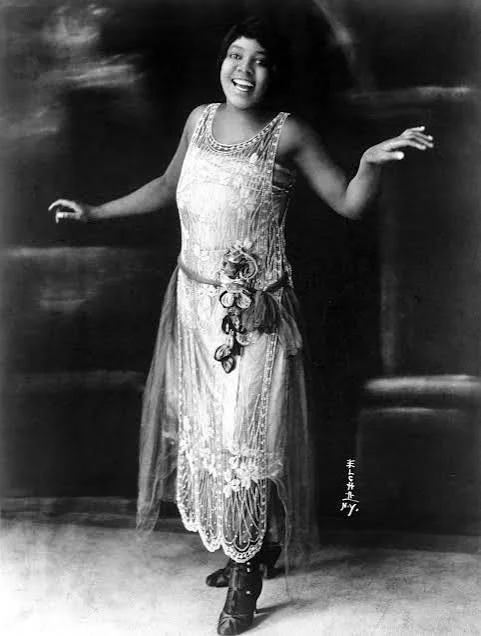
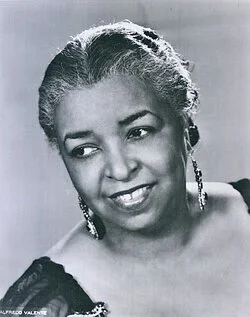
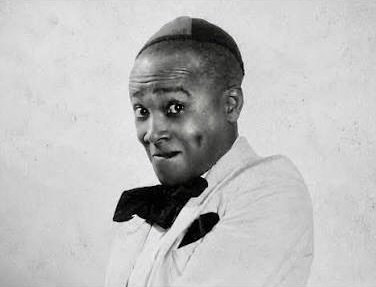
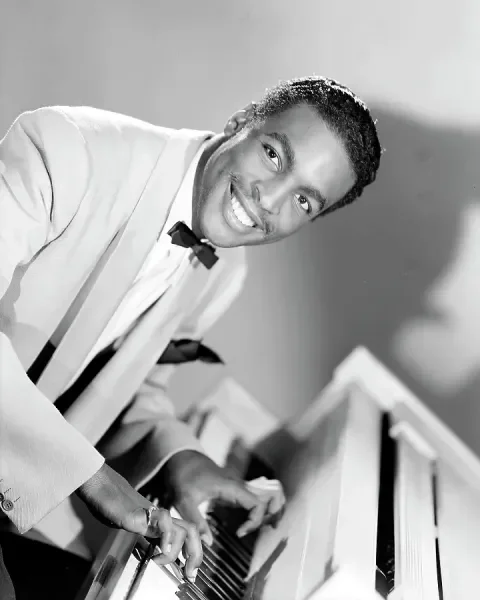
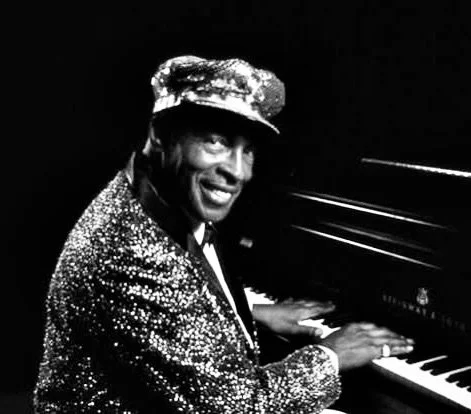
We look to buried blues heroes of the past—including queer and queer-presumed pioneers like Elvie “L.V.” Thomas (1891–1979) and Geechie Wiley (1908–1950), Tony Jackson (1882–1921), Bessie Smith (1892–1937), and Clifford Hayes (1893/1895?–1941/1955/1957?)—to fashion a new blues for the 21st century in real time.
Where is our anguish, where are our desires and pleasures that threaten and repulse, where is the joy that somehow grows in inverse proportion to frustration and fear? By inhabiting and breaking the form of the blues, this work will locate collective feeling in twelve bars and beyond. It’s a song of survival. A song for those whose stories can’t be finished.
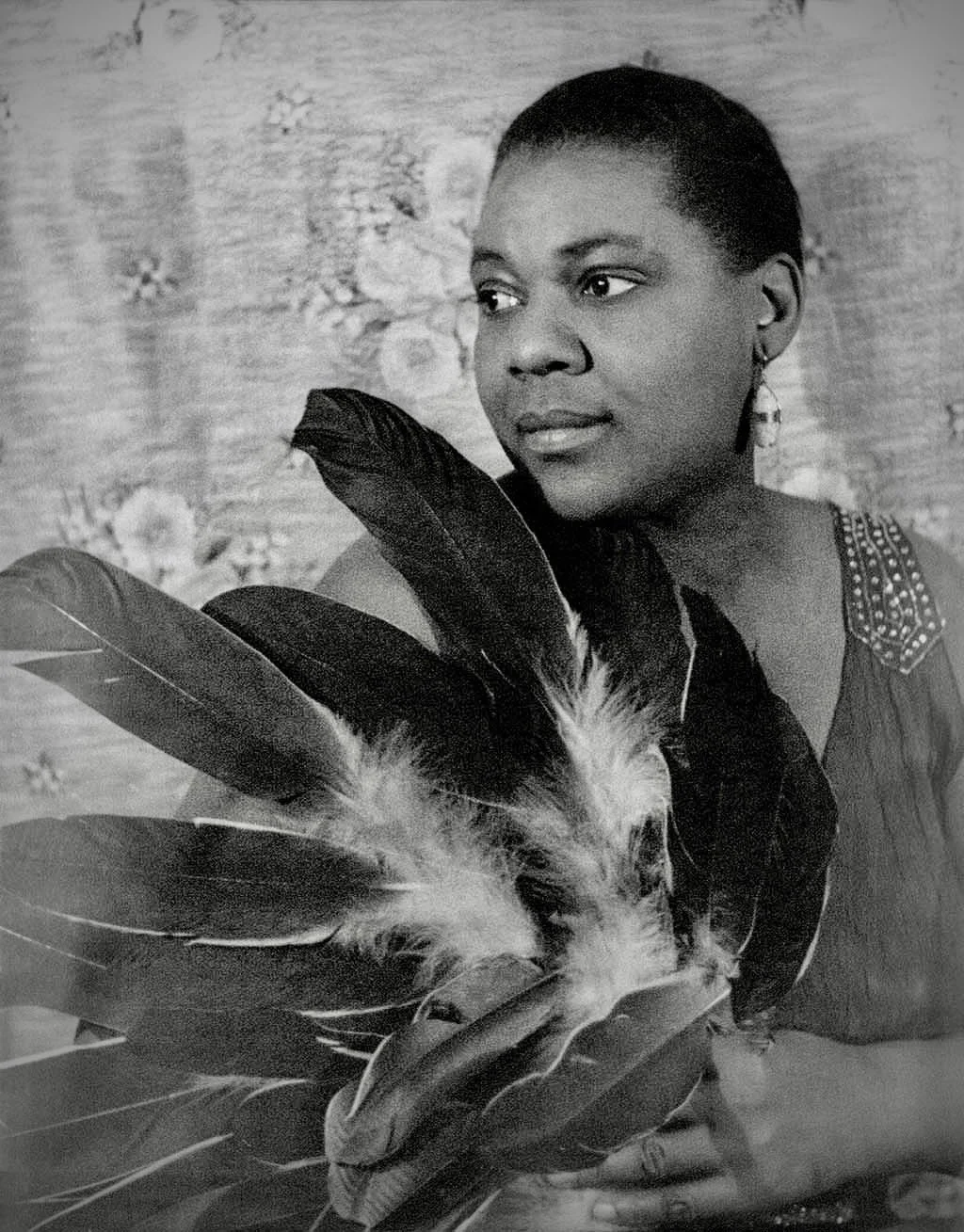
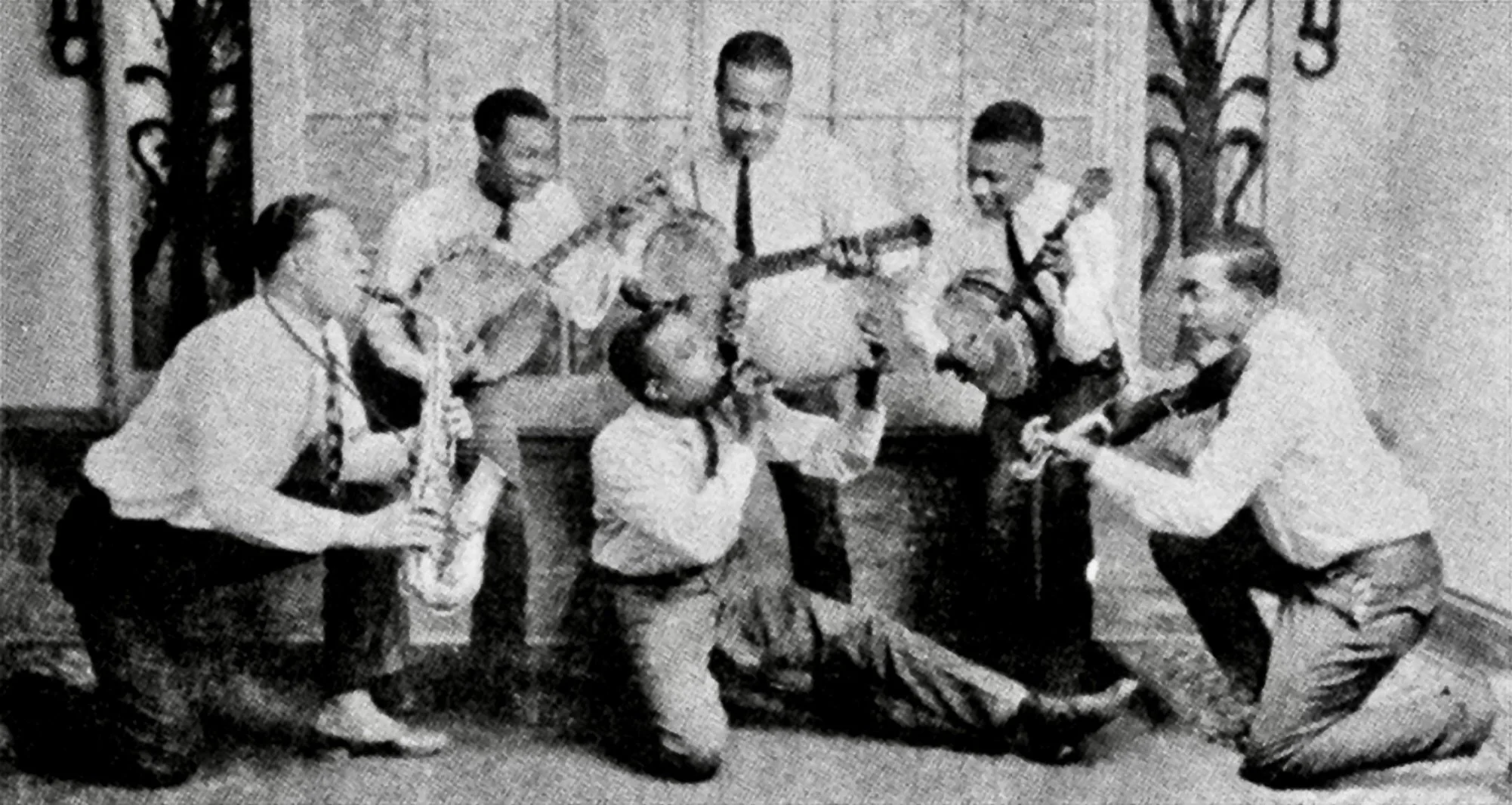

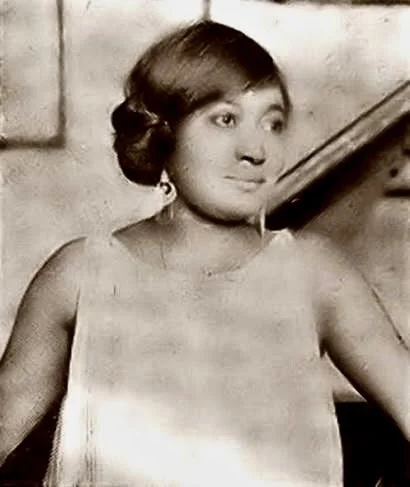


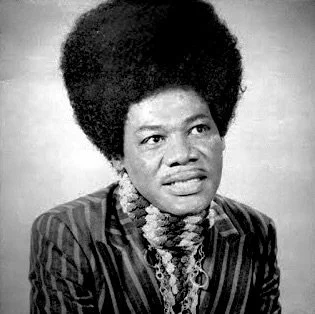
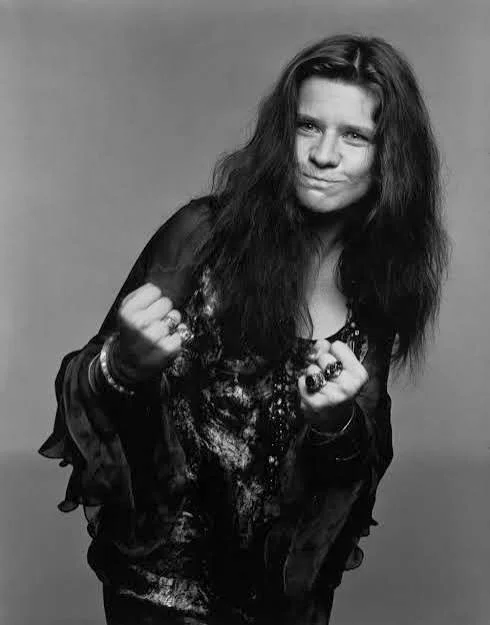


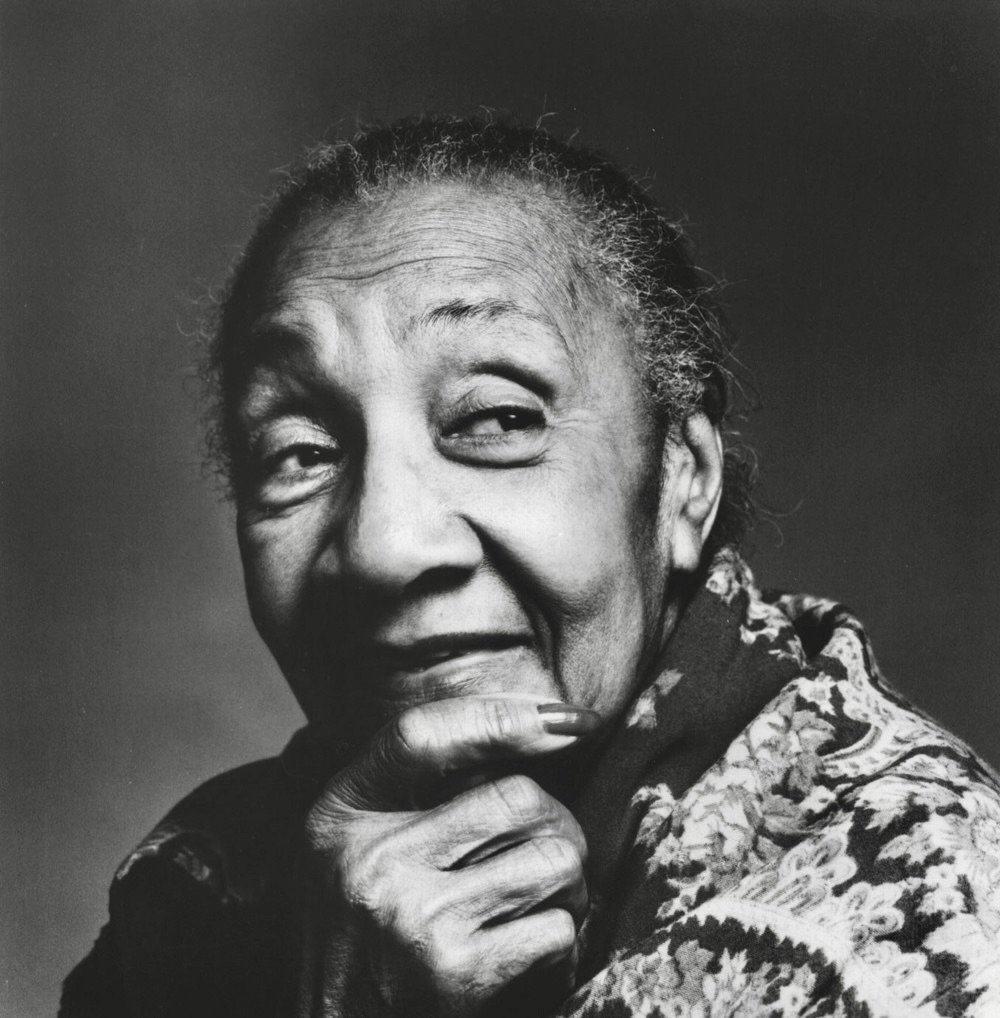

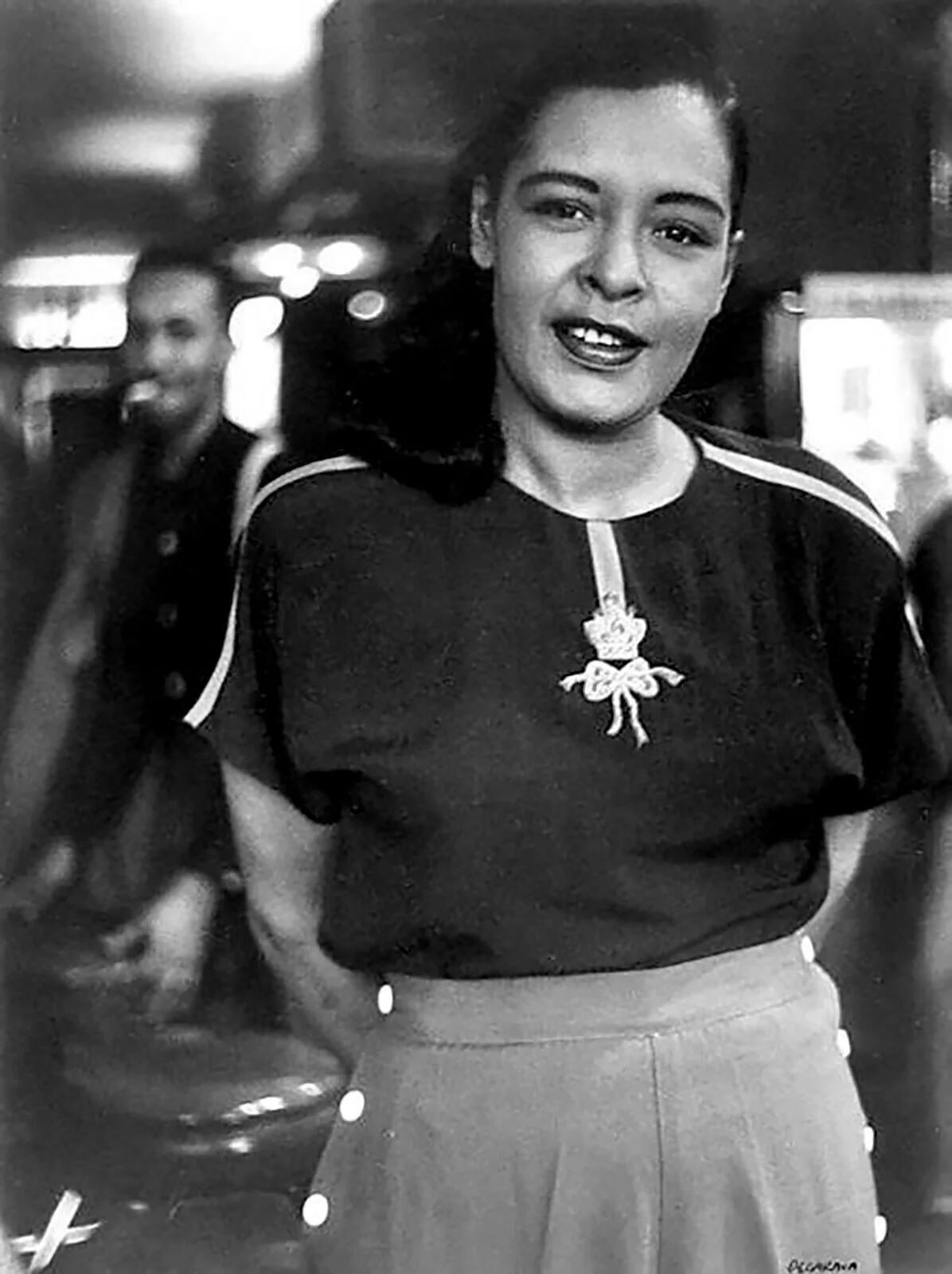
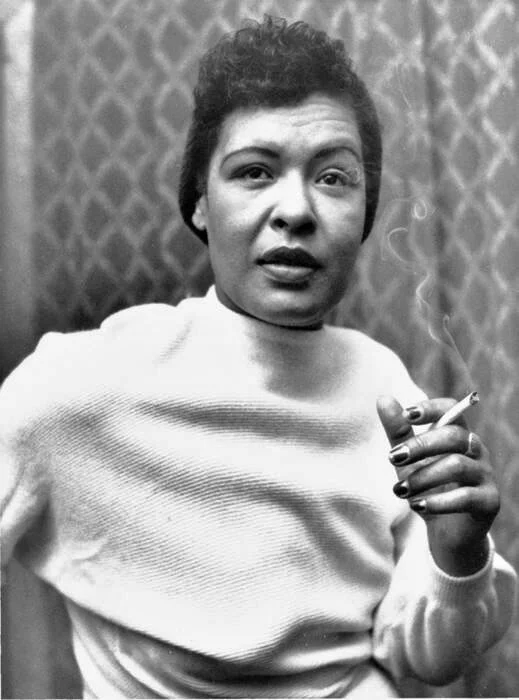




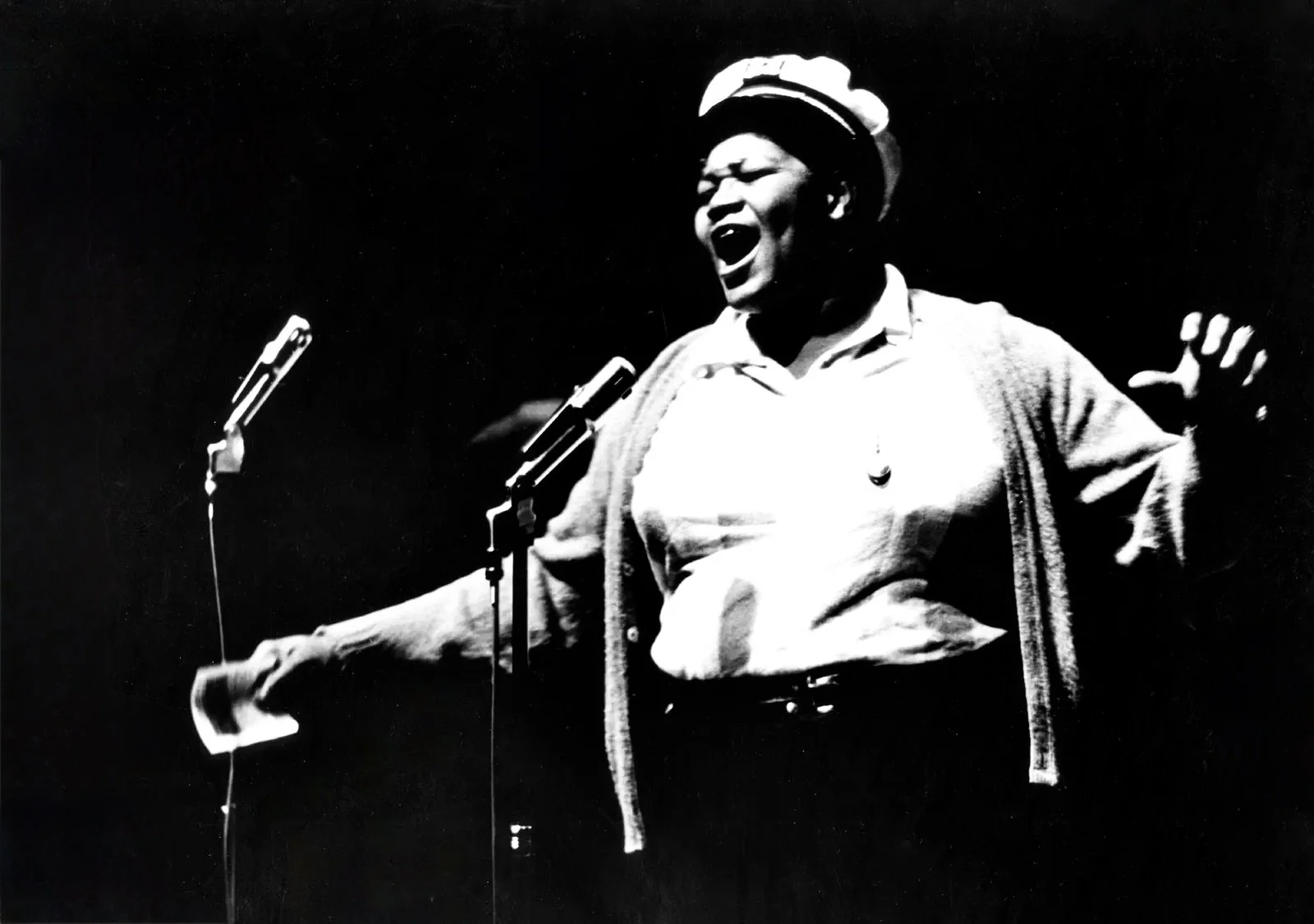
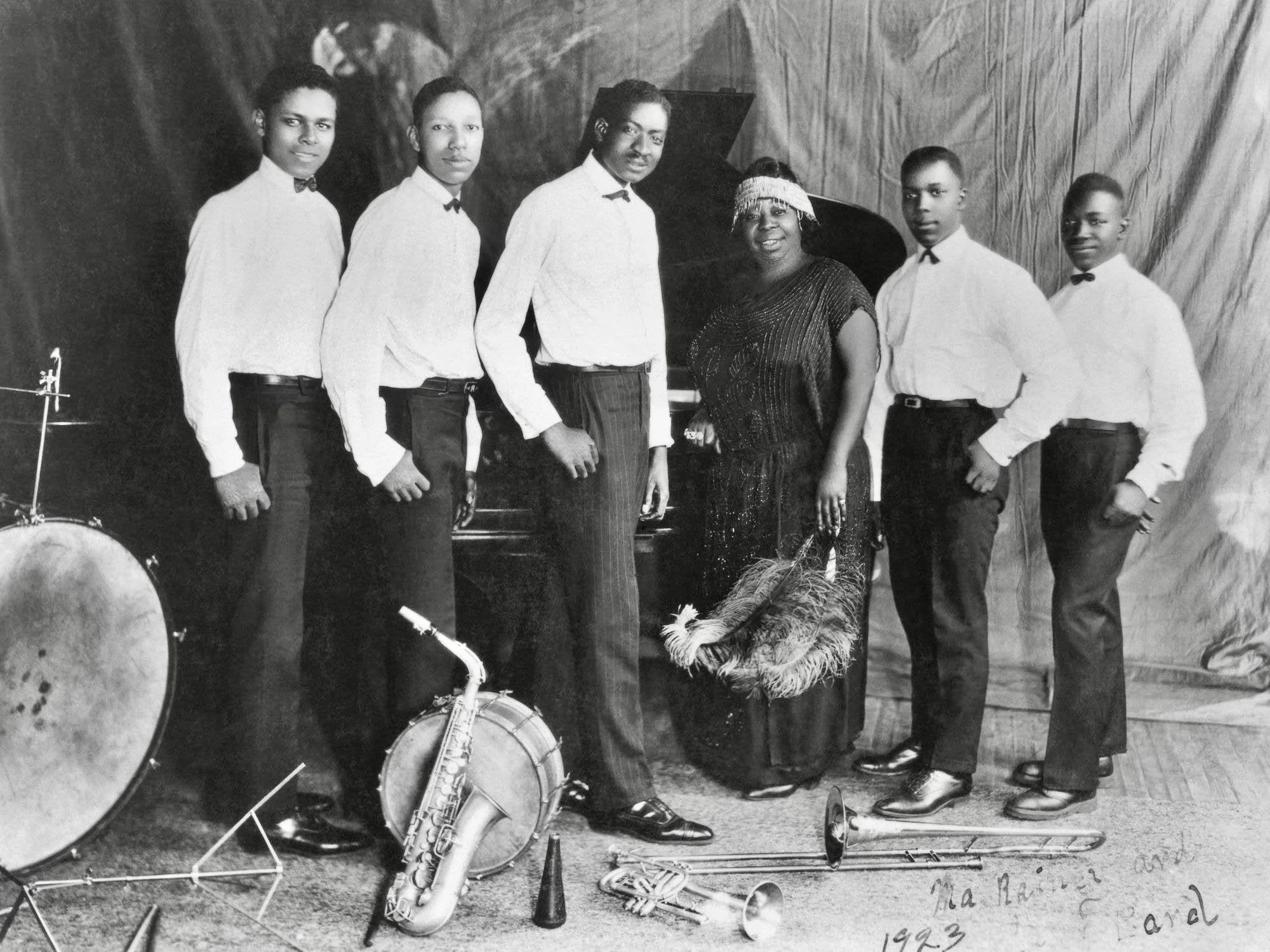
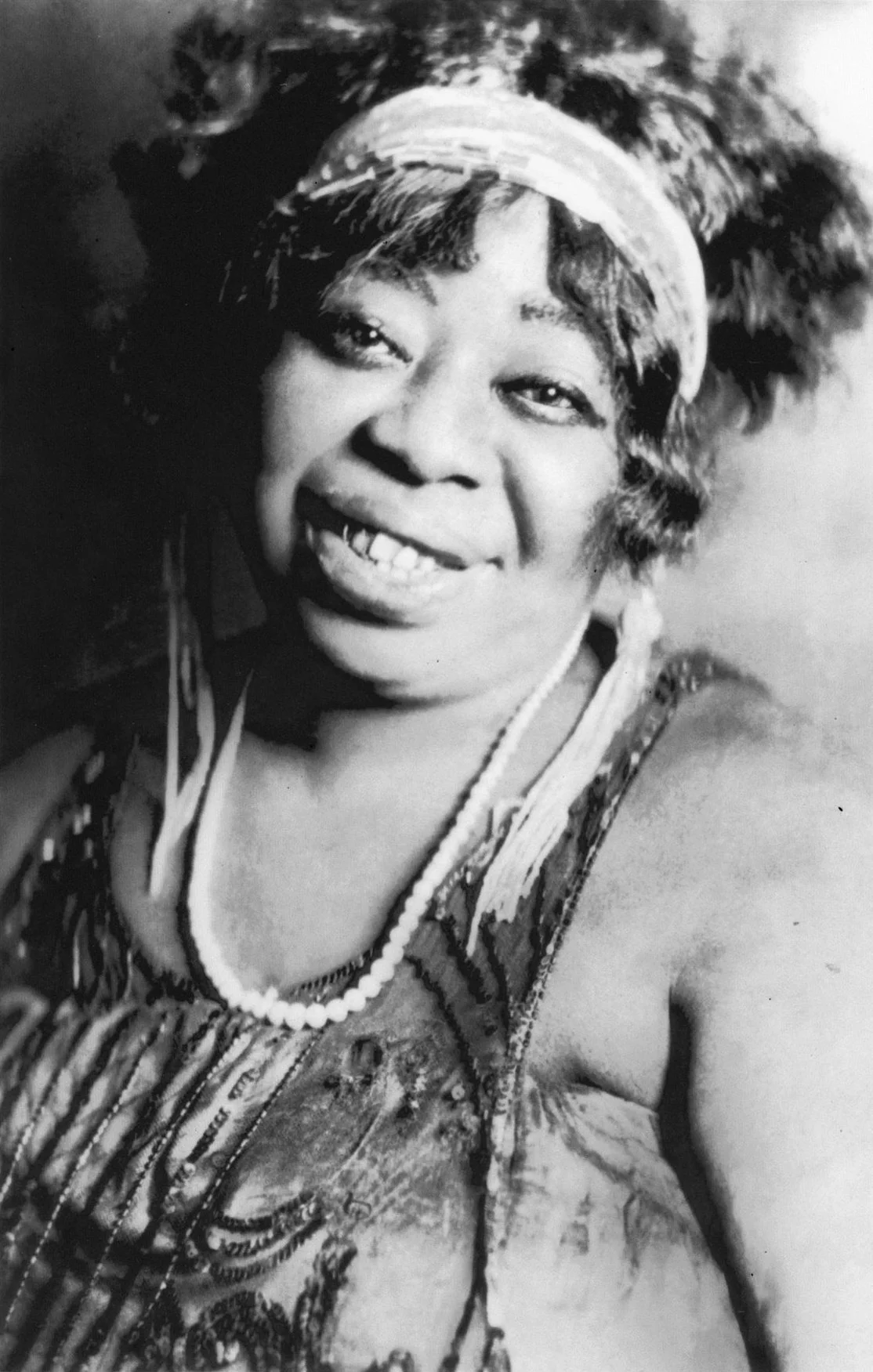

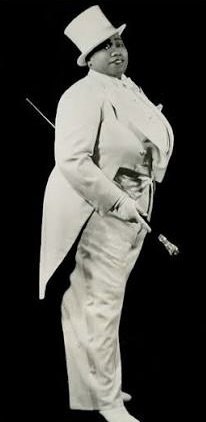
-
Bessie Smith, c. 1923-25. Frank Driggs Collection.
Bessie Smith, 1936. Photo by Carl Van Vechten.
Dixieland Jug Blowers, 1926 (Clifford Hayes on fiddle).
Lovie Austin, c. 1925.
Lovie Austin, 1920s.
Tony Jackson, c. 1911.
Billy Wright, 1950s.
Billy Wright, 1970s.
Janis Joplin, 1969. Photo by Richard Avedon.
Janis Joplin, 1969. Photo by Malcolm McNeill.
Alberta Hunter, c. 1940. Photo by James J. Kriegsmann.
Alberta Hunter, 1980. Photo by Jim Houghton.
Lucille Bogan, c. 1933.
Billie Holiday, 1952. Photo by Roy DeCarava.
Billie Holiday, 1954. Mirrorpix/Daily Mirror.
Ethel Waters, c. 1935.
Ethel Waters, 1957. Photo by Alfredo Valente.
Elvie “L.V.” Thomas, c. 1975. Photo by Robin Wartell.
Frankie “Half-Pint” Jaxon, c. 1933.
Frankie “Half-Pint” Jaxon, c. 1933.
Charles Brown, c. 1950.
Charles Brown, 1990s.
Willie Mae “Big Mama” Thornton and The Muddy Waters Blues Band, 1966. Photo by Jim Marshall.
Willie Mae “Big Mama” Thornton, 1960s /1970s. Michael Ochs Archives/Getty Images.
Gertrude “Ma” Rainey and her band, 1923.
Gertrude “Ma” Rainey, 1923. Donaldson Collection/Getty Images.
Gladys Bentley, 1930s.
Gladys Bentley, 1930s. Michael Ochs Archives/Getty Images.
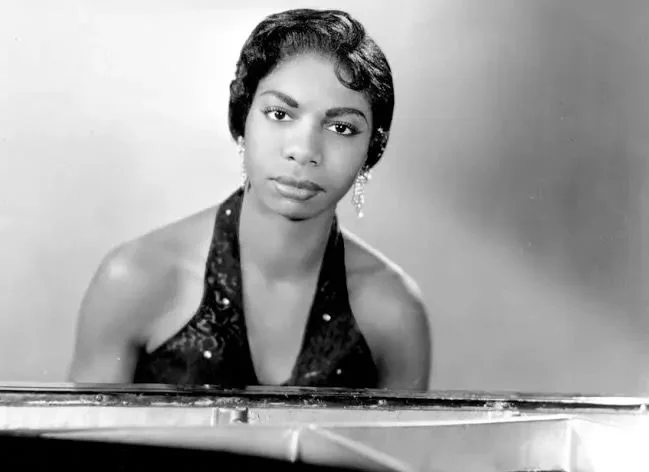
Nina Simone, 1950s. Michael Ochs Archives/Getty Images.
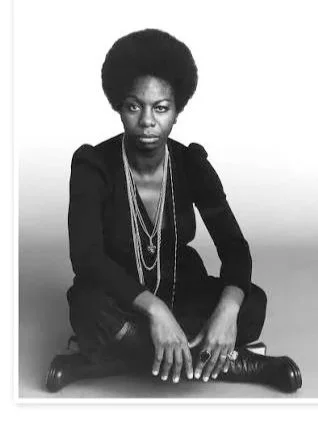
Nina Simone, 1969. Photo by Jack Robinson.
Every effort has been made to trace the copyright holders of the historical photographs on this page. If you hold the rights to any image displayed here and it is incorrectly credited, please contact us for immediate correction or removal.
Currently in development, Blue takes the form of a blues concert and will combine the direct testimony of the artists’ lives (in the form of concert “patter”) and the fictional narratives that bloom from them in the form of experimental, cross-genre songs. Songs that begin with deep blues twist out of the blues tradition to take on new forms that reflect what the queer ghosts of the hidden blues past have become in a new queer millennium. Unnameable identities that found form in the blues become, in this piece, what no one could have imagined.
BLUE DEBUT
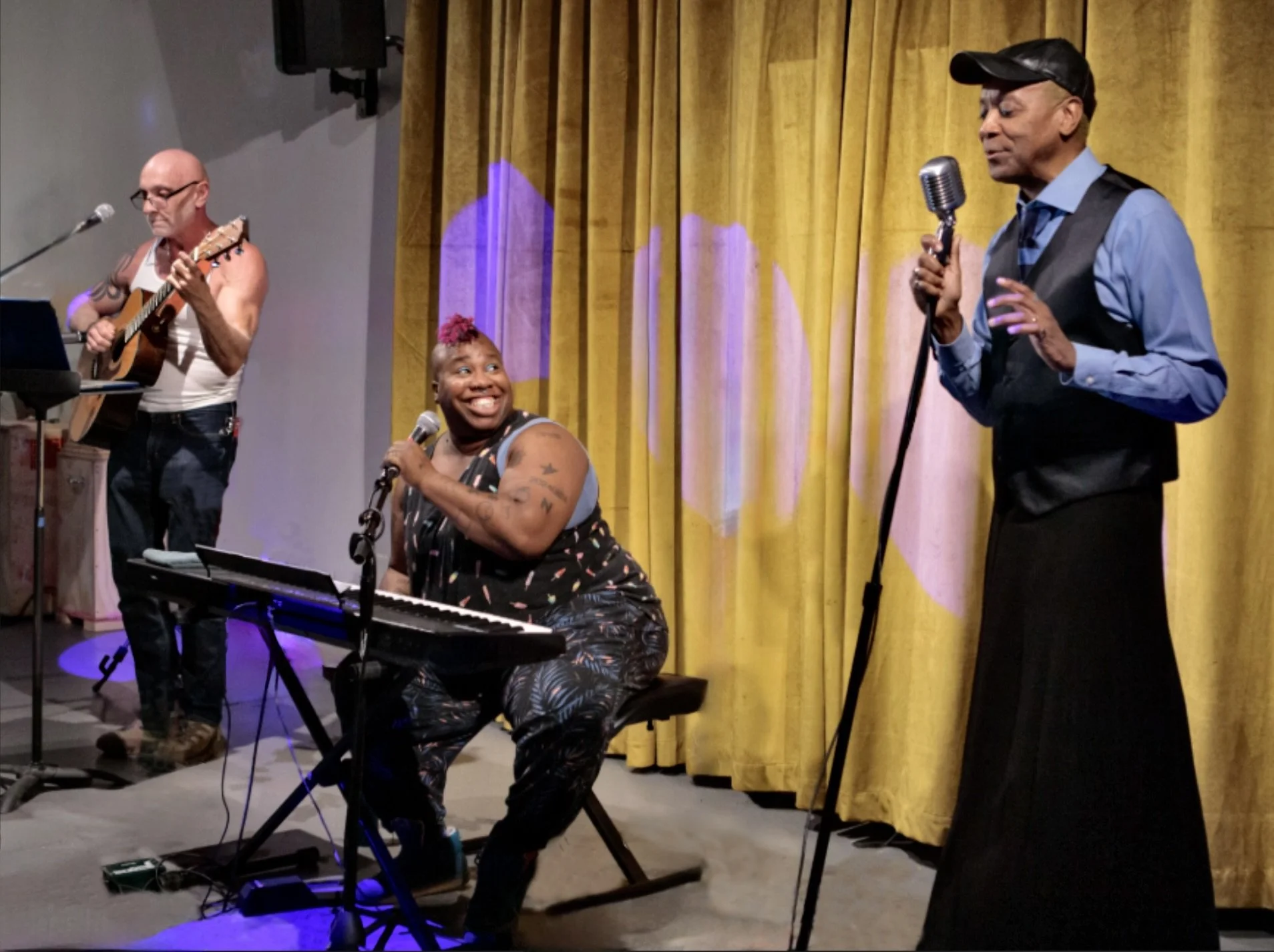
Photo: Nicolette Jackson-Pownall
On Friday, October 16, 2026, One Institute (Los Angeles) was proud to present Blue at Circa, the first and only LGBTQ+ histories festival in the United States. This first work-in-process performance was enthusiastically received by a standing-room-only crowd at Junior High Los Angeles, an intimate community venue.
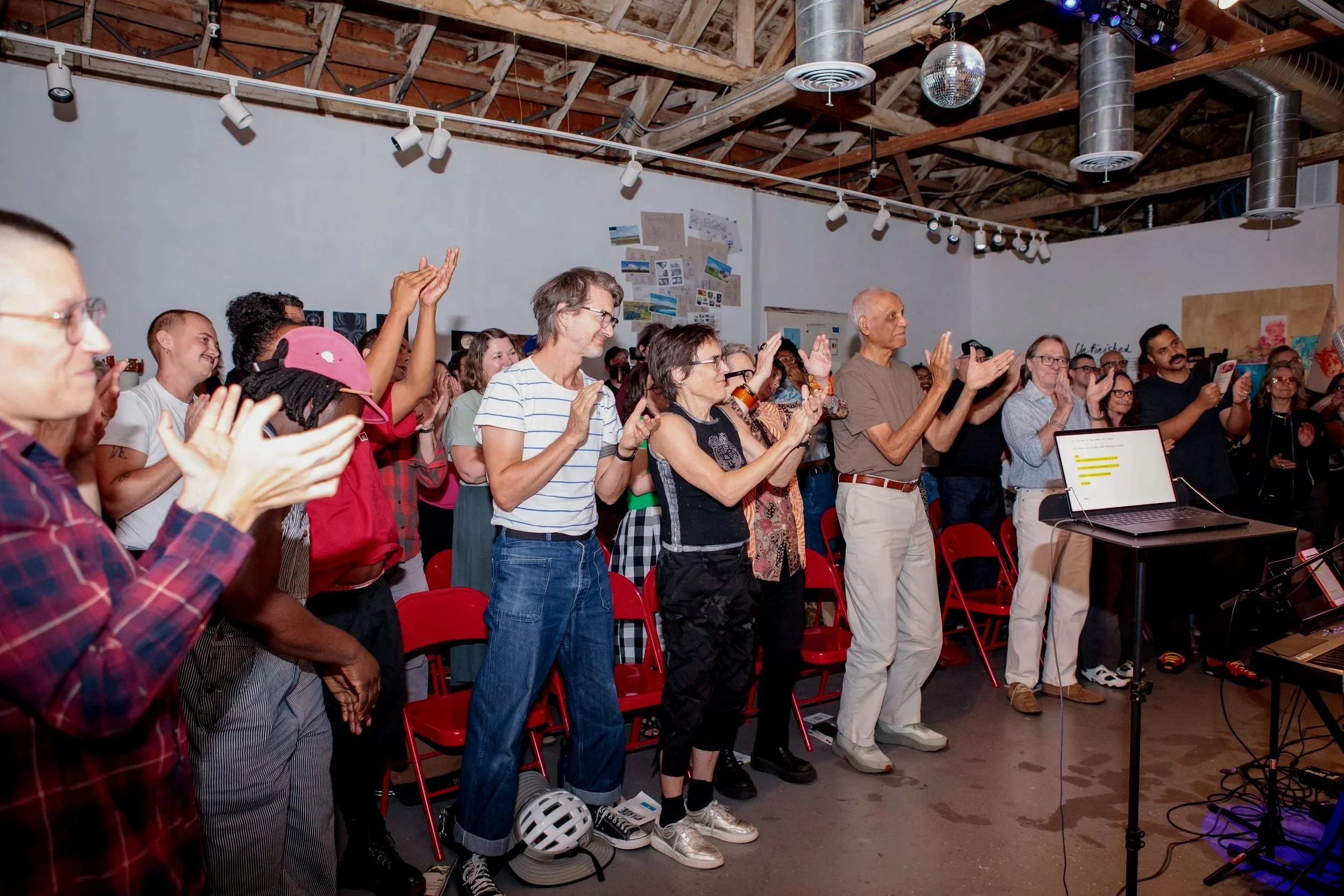
Photo: Nicolette Jackson-Pownall
Established in 2023, Circa: Queer Histories Festival is a month-long, Los Angeles County-wide programming series showcasing the trailblazing histories and vibrant cultural contributions of LGBTQ+ communities through the lens of present-day challenges and triumphs.
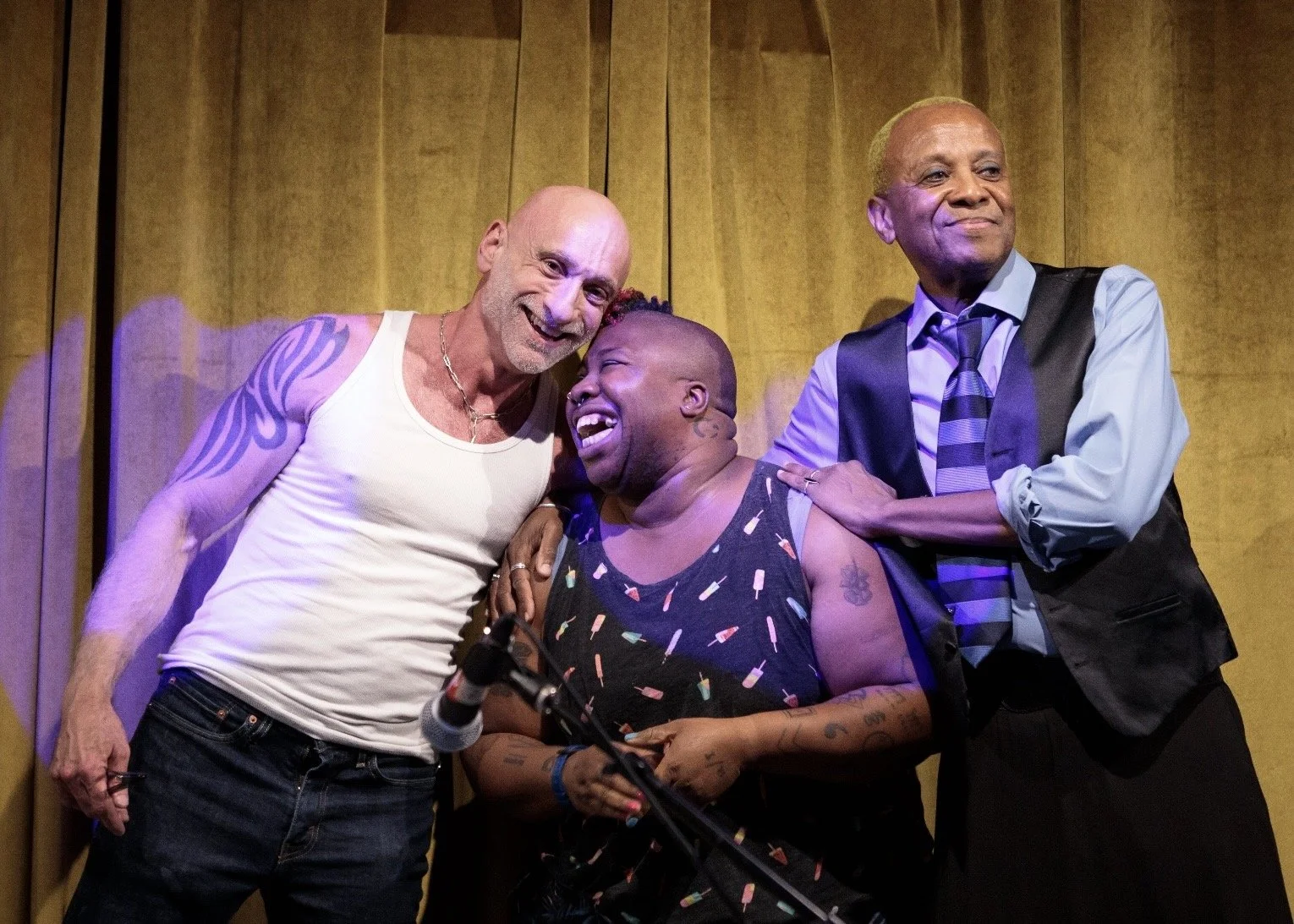
Photo: Nicolette Jackson-Pownall
Held each October during LGBTQ+ History Month, Circa features queer and trans artists, activists and educators leading the movement for LGBTQ+ liberation through exhibitions, performance, readings, screenings, lectures, dialogues and parties.
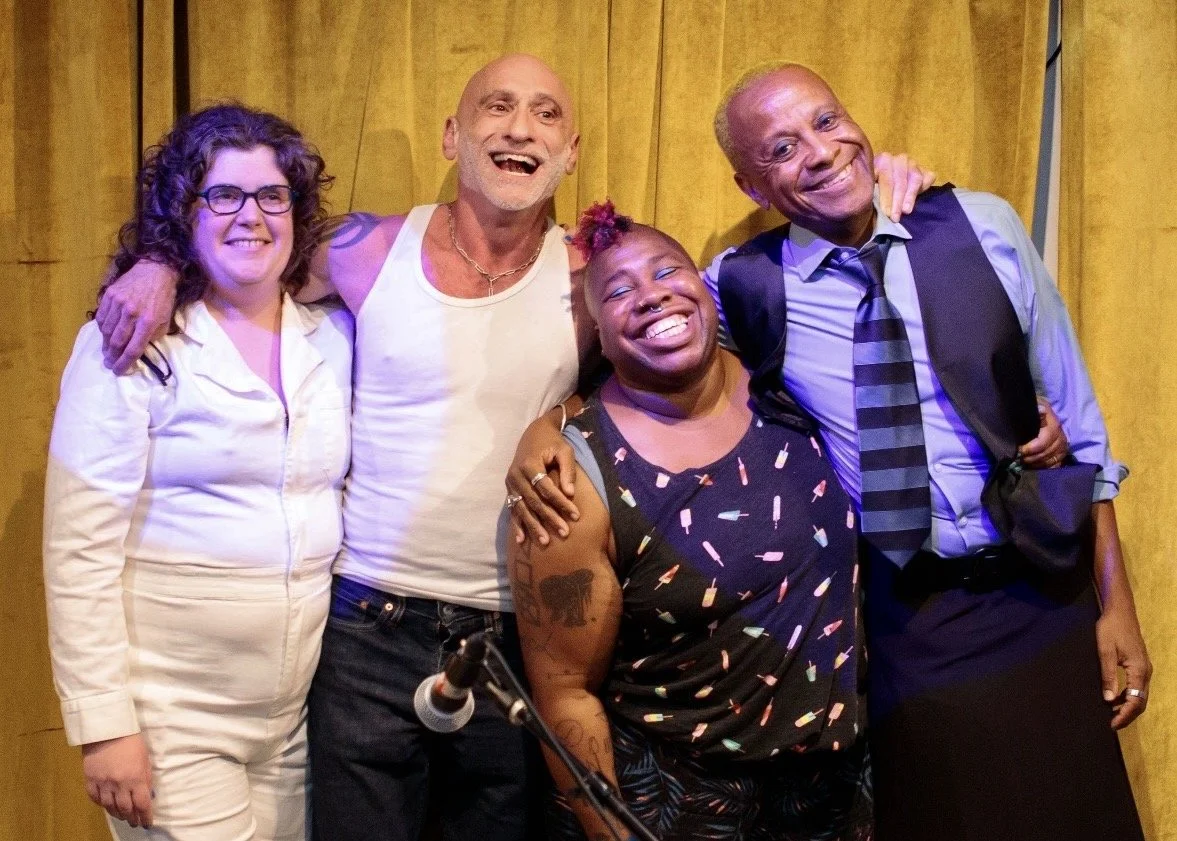
Photo: Nicolette Jackson-Pownall